Tarmac restorer: what the tins do, and when to call someone in
6 min read Tarmac Revive
A tin of tarmac restorer can bring a small, sound drive back to black for a weekend and the price of the product. It can also leave you with footprints in the hall and a drive that peels by spring. The difference is almost entirely in the preparation.
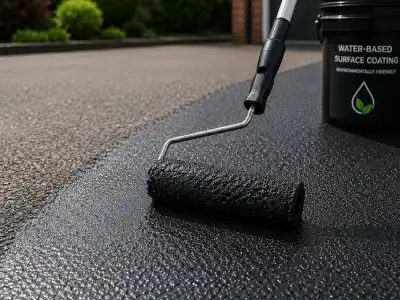
Search for tarmac restorer and you will find tins sold under a handful of names: restorer, renovator, dressing, driveway paint. Most are black, bitumen-based liquids that you brush, roll or squeegee onto a faded drive. Some are water-based, some solvent-based. All of them are trying to do the same thing, which is put a little of the lost binder back at the surface so the drive turns black again.
What a restorer can do
On the right surface, quite a lot. Applied to a drive that is grey but firm, clean and dry, a decent restorer darkens the colour, coats the exposed stone and closes up the fine pores in the surface, so it sheds water a little better. On a small drive with easy edges it is a reasonable weekend job.
What it cannot do is change anything structural. It will not fill a pothole, hold a crumbling edge together or stop a crack that is moving. Painted over, those just become black potholes, black edges and black cracks.
Five ways a DIY coat goes wrong
1. Going on over moss and dirt
A restorer bonds to whatever it touches first. Over a film of algae, leaf mulch or loose grit, that is the film, not the tarmac, and when the film lets go the coating comes away with it in flakes. The clean beforehand is not optional.
2. A damp surface, or rain on the way
Tarmac holds water for longer than it looks. A coat on a surface that is still damp underneath, or caught by a shower before it has cured, streaks, washes into the gutter and runs onto anything at the bottom of the slope. The tin will say how long it needs. In a Yorkshire spring that can take some planning.
3. Too thick
It is tempting to pile it on where the drive is palest. A thick coat stays soft for far longer, picks up tyre marks and leaves footprints across the hall carpet. Two thin coats beat one heavy one.
4. Patchy coverage
Working in uneven sections leaves lap marks where one batch overlaps the next, and they show far more once the drive is black than they did when it was grey. Working across the whole width in one direction, with a wet edge, is what avoids it.
5. Getting it on everything else
Bitumen does not come off kerbs, block edging, render or a neighbour's paving easily. Masking edges and keeping a rag and the right cleaner to hand saves a lot of regret.
If you are doing it yourself
- Clear leaves and loose grit, and treat moss and algae with a biocide.
- Clean the drive gently. A pressure washer at close range strips the binder you are trying to restore.
- Deal with oil stains first. A restorer will not stick to oil.
- Repair potholes and broken edges before any colour goes on.
- Wait for a dry surface and a dry forecast, and check the temperature on the tin.
- Mask edges, apply thin even coats, and keep cars and feet off for the full curing time.
When a professional job is the better spend
The product is only part of the cost of a restoration. The rest is the cleaning, the repairs, the edges and the timing, and that is where a professional job earns its money. It is worth getting someone in when:
- the drive is large, sloped, or shared with a neighbour, so an even finish is hard to get;
- there are cracks, potholes or crumbling edges that need repairing first;
- an earlier DIY coat is flaking and has to come off before anything new will stay on;
- you want a red finish, or a harder-wearing coating on a surface that takes heavy use;
- it is a car park, a yard or a business entrance that cannot be closed for days.
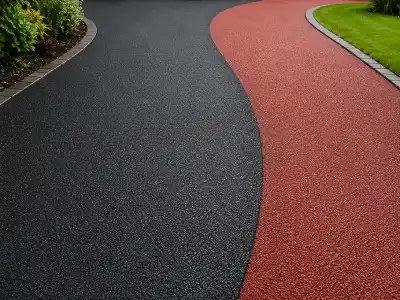
Our own recolouring uses a water-based treatment, applied after a careful clean and any repairs, and in black or red. What the treatment is actually doing to the surface is explained in what tarmac recolouring actually does, and if you have been quoted for "painting" instead, it is worth reading can you paint tarmac? before you agree to it.
If you are unsure whether your drive is a tin-of-restorer job or something more, a look at it will tell you. Plenty are the first kind, and we would sooner tell you that than quote for work you do not need.
This is tarmac work we do from our Wakefield base. Read how our Tarmac Restoration & Protection service works, or get a free quote and we will look at your own drive for you.
Common questions
- Does tarmac restorer work?
- On a drive that is faded but firm, clean and dry, yes: it darkens the colour and closes the fine pores in the surface. It does not repair potholes, crumbling edges or moving cracks, and it fails quickly if it goes on over moss, dirt or a damp surface.
- How long does tarmac restorer take to dry?
- It depends on the product, the thickness and the weather, so follow the curing time on the tin. Cool, damp conditions slow it down, and a coat that is too thick stays soft for much longer.
- Can you put new tarmac restorer over an old coat?
- Over an old coat that is still sound and clean, usually. Over one that is flaking or peeling, the loose material has to come off first, or the new coat comes away with it.